
Public
Understanding gambling addiction A guide to recognizing the signs and seeking help
What is Gambling Addiction?
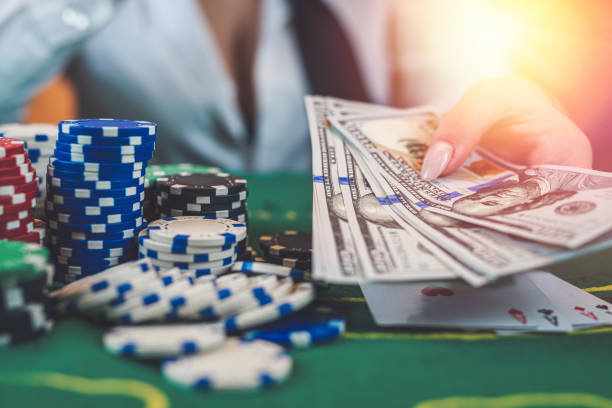
Gambling addiction, often referred to as compulsive gambling or gambling disorder, is a behavioral addiction characterized by an uncontrollable urge to gamble despite negative consequences. This condition can affect individuals from all walks of life, leading to severe emotional, financial, and social repercussions. For instance, in modern entertainment venues, gaming experiences, such as Chicken Road, add layers of excitement, but they can also have serious implications when gambling becomes an obsession.

Over time, gambling addiction can develop into a pattern where the individual prioritizes gambling over other essential aspects of life, such as relationships, work, and health. This compulsion is not merely a matter of willpower; it often stems from underlying psychological issues that require comprehensive treatment and support.
Recognizing the Signs of Gambling Addiction
Identifying the signs of gambling addiction can be challenging, as many individuals may conceal their behavior out of shame or denial. However, some common indicators include a preoccupation with gambling, increased tolerance to losses, and a tendency to lie about gambling activities. Those struggling with addiction may also experience restlessness or irritability when attempting to cut back on gambling.
Another critical sign is the impact of gambling on personal and professional relationships. Individuals may neglect responsibilities or withdraw from family and friends, leading to isolation. Additionally, financial difficulties often arise, marked by mounting debts or theft to fund gambling habits, which can lead to further emotional distress.
The Psychological Impact of Gambling Addiction
The psychological toll of gambling addiction is profound. Many individuals experience feelings of guilt, anxiety, and depression as a result of their behavior. These emotions can exacerbate the cycle of gambling, as individuals might gamble to escape negative feelings, only to face deeper emotional turmoil afterward. Understanding this connection is vital for both the individual and their loved ones.
Moreover, gambling addiction is frequently associated with other mental health issues, such as substance abuse disorders or mood disorders. This co-occurrence can complicate treatment and requires a holistic approach that addresses all underlying issues to ensure lasting recovery.
Seeking Help for Gambling Addiction
Seeking help for gambling addiction is an essential step toward recovery. Treatment options include therapy, support groups, and sometimes medication, which can help manage the compulsive behavior associated with gambling. Cognitive-behavioral therapy (CBT) is particularly effective, as it focuses on changing negative thought patterns and developing healthier coping strategies.
Support groups, such as Gamblers Anonymous, provide a vital network of understanding peers who share similar experiences. These groups can foster accountability and encourage individuals to share their challenges and successes in overcoming their addiction, which can be incredibly empowering.
Exploring Resources for Support and Information
For those seeking to understand more about gambling addiction and available resources, numerous websites offer comprehensive information and support. These platforms can guide individuals and their families through the recovery process, providing tools and resources to help manage addiction effectively. Education about gambling addiction is crucial in reducing stigma and encouraging more individuals to seek help.
Additionally, many organizations focus on preventing gambling addiction through awareness campaigns and community outreach. By engaging with these resources, individuals can find the support needed to navigate the complexities of gambling addiction and foster a healthier lifestyle moving forward. The growing popularity of games like the Chicken Road Game illustrates the need for responsible gaming practices in contemporary society.